Where is the lion?
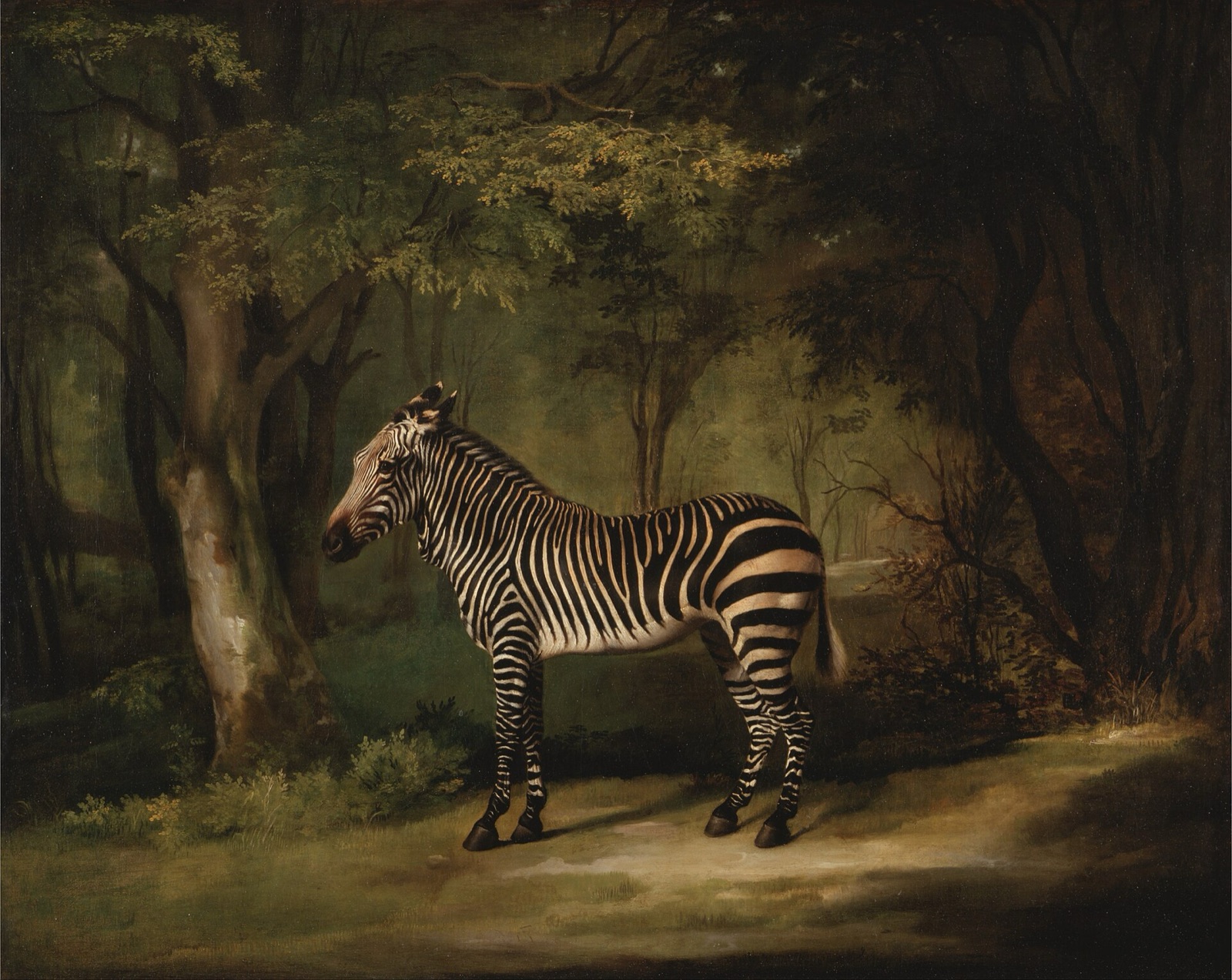
A zebra sees a lion and runs. Three minutes of total terror: the heart pumps, the muscles take all the blood, digestion stops, and the whole body works for one thing, which is survival. Then it ends, one way or the other. If the zebra survives, it is back on the grass within minutes as if nothing happened. It does not replay the chase in its head at night. It does not wonder whether the lion will come back tomorrow. It does not go over what it should have done differently.
I have not read the book this scene comes from. I came across a quote from it, then read a summary, and that was enough. It is called Why Zebras Don't Get Ulcers, a book on stress by a neuroscientist, and its idea fits in one sentence. The fear response in our bodies was built for a danger that comes and goes in minutes, and we keep it on for months.
What caught me in the scene is what switches the alarm on. The zebra needs a real lion. For me, a deadline two weeks away is enough, or a conversation from last week that I am still rewriting, or a decision I have not taken yet, or a message with no reply. The body treats the danger running behind you and the thought running in your head the same way. And the thought, unlike the lion, tires very late and never leaves. The response that saves your life in three minutes is the one that wears you down in three months.
Zebras do get ulcers sometimes!
To be fair to the facts, the carefree zebra may be a little too ideal. The book's author himself spent thirty summers watching baboons and found that the animals at the bottom of the social ladder live in constant stress, and their bodies pay dearly for it. The same holds for us. Studies show that employees who lack control over their work get sick more often, even when they match their colleagues in salary and health care. So chronic stress does exist in nature, whenever the threat is continuous and does not stop.
But this exception makes the idea clearer. There is a vast difference between the passing danger and the danger that lives with you. The lion chasing the zebra, or the threat facing the baboon, is a real danger that actually exists. Most of the "lions" I open the doors of my mind to, so they can move in with me, are imaginary lions that have not arrived yet, and many of them will never come.
What I see from where I stand
I spent eleven years building companies between Aleppo, Damascus, Beirut, Muscat, and Istanbul, and some of them finished their job and closed. Real lions came in those years: a war, a currency collapse, a partner who walked away, a client who stopped paying. Most of them came as a surprise, and passed, and I am still here. The lions I spent long nights preparing for, drafting the replies and drawing the scenarios, mostly stayed where they were. When I look back, what wore me down in those years had little to do with what actually happened.
Imagination is the stage where our fiercest battles are fought, which is why it was said long ago: "We suffer more in imagination than in reality." Even though I knew this fully, the words could not stop the hidden bouts of panic, until the scene of the zebra came and tamed that imagination. Thanks to it, whenever I jolt awake at three in the morning on a troubling thought, I stop the imaginary chase in my head, look around me, and ask myself: where is the lion?
Further reading
- Robert M. Sapolsky, Why Zebras Don't Get Ulcers, 3rd edition, Henry Holt, 2004
- Michael Marmot et al., "Contribution of job control and other risk factors to social variations in coronary heart disease incidence", The Lancet, vol. 350, 1997
- Seneca, Letters to Lucilius, letter 13